News
Why should biodiversity be Africa's top priority?
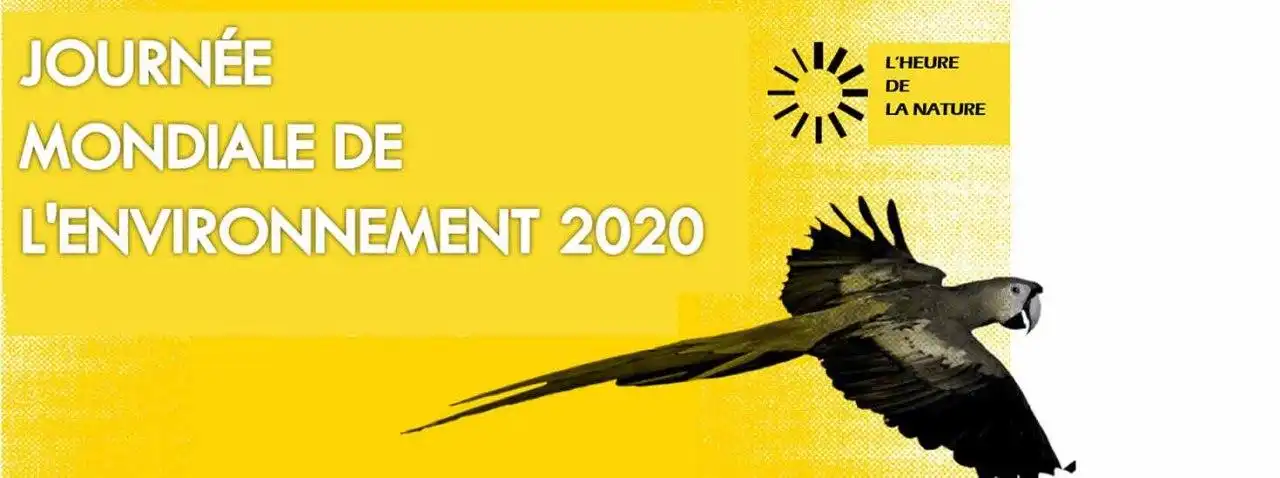
World Environment Day, June 5, 2020, will be celebrated this year, around the theme of biodiversity - a call to action to combat the accelerated loss of species and the degradation of the natural environment. The aim is to invite us to rethink how our economic systems have evolved to affect our environment.
A brief overview of biodiversity in Africa
Biodiversity loss is a global challenge, as the planet's natural capital is seriously threatened by a range of anthropogenic actions. Africa is home to remarkable biodiversity, with many endangered endemic mammals and plants. Africa is also immensely rich in tropical forests, savannas, mountain grasslands, mangroves, deserts, wetlands. Sintayehu (2018) estimates that the continent contains an estimate of one fifth of all known mammal, bird, and plant species. Biodiversity has always played an essential role in human development and well-being in Africa. By providing food, health, water and quality services, as well as many other services, it is the engine of socio-economic development. In reality, most African economies rely heavily on their natural resources such as agricultural land, forests, water resources, ecosystems, and ecosystem services. The Millennium Ecosystem Assessment (2005) concluded that the African ecosystem provides multiple ecosystem services needed to meet human needs and maintain livelihoods, while regulating diseases and climate systems, supporting soil formation, and providing ecotourism services.
The challenges of African biodiversity
Despite the potentials and great opportunities that biodiversity offers for Africa's development, the continent is still experiencing an unprecedented decline in biodiversity, due to a variety of factors, including population growth, extensive agricultural practices, rapid urbanization, rapid urbanization, rapid urbanization, infrastructure development, illicit trafficking, among others. It is estimated that the overexploitation and degradation of biodiversity ecosystems will lead to the loss of 50% of African bird and mammal species, and 20% to 30% of lake productivity by the end of the century, as well as the decline of wildlife and fisheries (UNEP-WCMC, 2016). In addition, armed conflicts have caused significant damage to Africa's biodiversity, as has been the case in many African countries affected by conflicts, with huge impacts on protected areas, due to military activities and population displacements. Examples include Côte d'Ivoire, the Democratic Republic of Congo, Angola, and the entire Great Lakes region. These countries have experienced a significant decline in their wildlife populations in national parks and wildlife reserves. It is estimated that 70% of protected areas in Africa were affected by war between 1946 and 2010, with elephants, hippopotamuses, giraffes, and other large mammals victims of fighting and hungry citizens who hunted animals for meat and for marketable goods such as ivory (Daskin and Pringle, 2018). Biodiversity loss also combines with numerous other environmental problems such as pollution of the sea and land by toxic waste, plastics, and heavy metals to affect the quality of life.
Is climate change a contributing factor to the loss of biodiversity in Africa?
Climate change is one of the main threats to biodiversity and ecosystem services in Africa. According to the Intergovernmental Panel on Climate Change (IPCC, 2013) (, climate change is expected to be one of the worst drivers of biodiversity loss over the next 50 to 100 years; it will exacerbate the effects of previous threats on biodiversity. Considered to be the latest emerging threat to biodiversity in Africa, climate change is contributing to the decline of amphibian populations, due to the drastic reduction in water volume, following persistent drought conditions, combined with the intensification of human activities along the coasts (Sintayehu, 2018).
The protection of biodiversity in Africa is a development challenge
The loss of biodiversity in Africa is changing the structures and functions of ecological systems, thus undermining efforts to achieve the Sustainable Development Goals (SDGs), in particular SDG 15 which aims to “sustainably manage forests, combat desertification, and stop and reverse the trend of land degradation and stop the loss of biodiversity.” With the current losses of species and natural habitats on the continent, largely due to human factors and the negative effects of climate change, the decline in biodiversity in Africa is expected to continue and affect Africa's development progress and the continent's ability to develop sustainably.
It is important to recognize the recent efforts made by many African countries to protect their natural capital by increasing awareness among their populations and communities about the values of biodiversity and its importance for socio-economic development, building capacity, improving knowledge, creating protection areas, creating protection zones, maintaining biodiversity hotspots, and promoting nature-based solutions. However, given the magnitude of the challenges, African countries need to strengthen and intensify their efforts to reverse current trends in biodiversity loss. To do this, they need to ensure that biodiversity becomes a top priority in their development plans.
Biodiversity loss must become a serious concern for all African governments and stakeholders, as the protection of biodiversity helps to consolidate Africa's current development gains and to maintain the development needs of future generations. However, protecting biodiversity requires us to rethink how we think about biodiversity and make it an integral part of our development programs. Despite the challenges raised, it is not too late to reverse the trends of biodiversity loss in Africa. Given its importance for the development of most economies, there is a need for African governments and their development partners to include biodiversity in their development plans and cooperation programs.
Africa's development and future are at risk if urgent measures are not taken now to protect biodiversity, including over 1 million species of plants and animals that are threatened with extinction, 40% of amphibian species, and 33% of coral reefs that are in danger.
Given the urgency of maintaining our well-being through the protection of biodiversity, African leaders must adopt bold policies and invest in nature-based solutions that would reduce the impacts of agriculture on biodiversity, promote the restoration/rehabilitation of degraded systems and natural resources, and reduce the impacts of extractive industries and the unsustainable use of natural resources. Development organizations must also provide specific and innovative financing mechanisms that encourage investment in conservation and payment for environmental services. To be effective, all these measures must be accompanied by good governance of biodiversity resources and be in line with national development priorities.
On this World Environment Day, Nature's Hour has come.
Africa must make the protection of its natural capital and in particular its biodiversity the priority of priorities, because it constitutes the foundation on which its socio-economic development is built. In these difficult times imposed by the COVID-19 pandemic, itself resulting from the interaction between humans and nature, it is nature that we are still calling on to find the cure for COVID-19. More than ever, it is time to reconsider our relationship with nature!
The African Development Bank (AfDB) is strongly committed to the conservation of biodiversity and, to celebrate World Environment Day 2020, it organized, in collaboration with the Ministry of Environment and Sustainable Development of Côte d'Ivoire and the United Nations Environment Programme, a series of webinars to discuss the drivers of biodiversity loss and solutions for the protection of terrestrial and marine biodiversity.