News
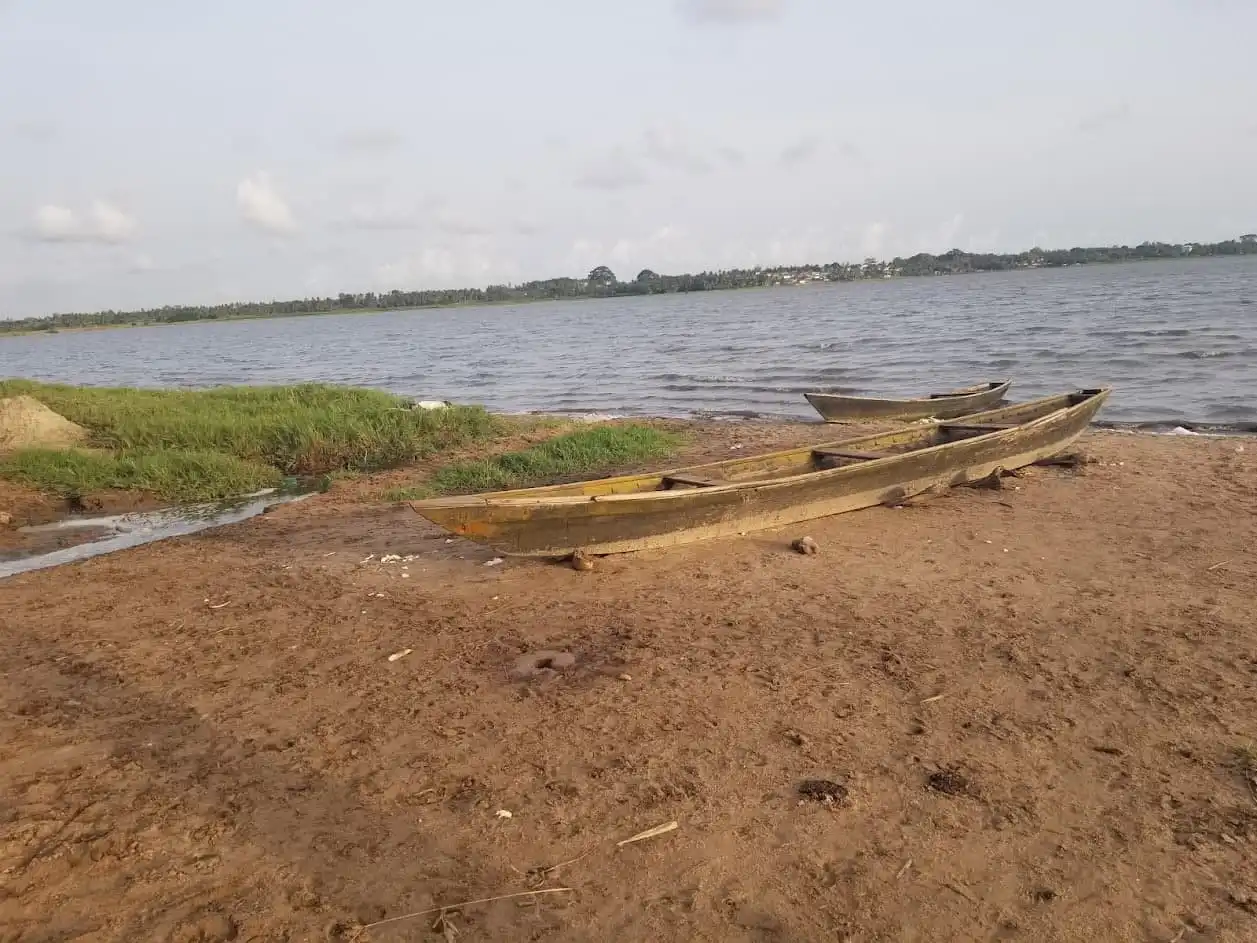
Towards joint protection of the Gbaga Channel by TOGO and Benin
On a global scale, wetlands are environments where major producers of ecosystem services for humanity are produced.
They fulfill several functions such as hydrological functions (retention of watershed waters, flood control, low water support, groundwater recharge), ecological functions (biomass production, food resources, species habitats), biogeochemical functions (nitrogen cycle, phosphorus cycle, carbon sinks), biogeochemical functions (nitrogen cycle, phosphorus cycle, carbon sinks).
In developing regions such as in sub-Saharan Africa, where an economy based on harvesting natural resources has developed, wetlands play a very important economic and social role for local communities.
They also play an important cultural and religious role due to the fact that coastal populations have developed beliefs based on elements of nature such as water.
For this purpose, these wetlands are places of worship and ritual ceremonies that sometimes bring together peoples of several nationalities, as is the case around the Gbaga Channel between Togo and Benin.
Despite the numerous ecosystem services associated with these areas, they are subject to various pressures resulting from the overexploitation of resources, pollution, erosion, siltation, urbanization, human development (hydroelectric dam, port infrastructure), climate change, changes in land occupation and use, etc.
Therefore, because of the importance of wetlands for the survival of mankind and the pressures on them, the international community decided to establish the Ramsar Convention on wetlands of international importance since 1971.
Since then, wetlands have been the subject of particular attention requiring States Parties to honor the commitments contained in this Convention and the resulting resolutions of the various Conference of Parties (COPs).
To this end, any State Party signatory to the Convention therefore undertake to respect the three essential pillars of the Convention, which are: to work for the rational use of all their wetlands, to include appropriate wetlands on the list of wetlands of international importance and to ensure their good management; to cooperate internationally in transboundary wetlands, shared wetland systems and for shared biological resources.
It is in this spirit that Benin and Togo are progressively committed as State Parties to the implementation of this Convention by each registering four Ramsar* sites of international importance respectively for an area of 1,179,354 ha (Benin) and 1,210,400 ha (Benin) and 1,210,400 ha (Togo).
“The Gbaga Channel is experiencing severe degradation. There is therefore a need to preserve this entire site,” explains Lieutenant/Colonel Kossi Agbeti, contact point of the Ramsar Convention focal point for Togo.
It should soon be included on the Ramsar list. For Togo, these are the sites of the Kéran National Park (Site 735), the Togodo Wildlife Reserve (Site 736), the Oti-Mandouri Watershed (Site 1721), and the Wetlands of the Togo Coastal Region (Site 1721), and the Wetlands of the Togo Coastal Region (Site 1722).
Published on
2022 Jan 20Countries

Togo